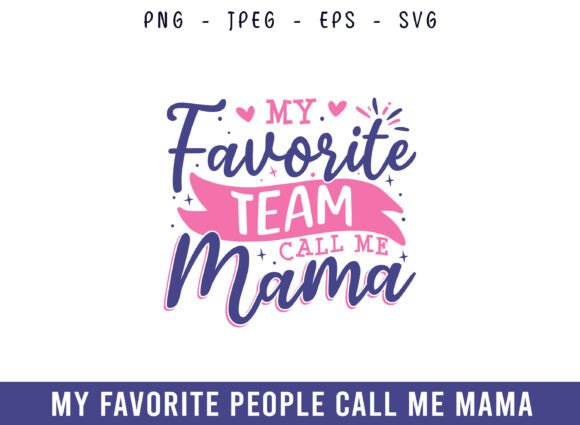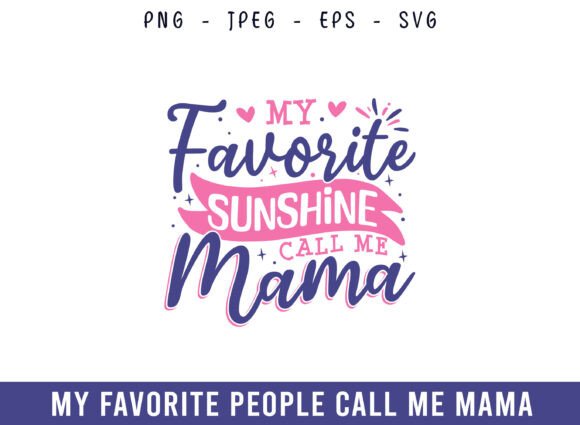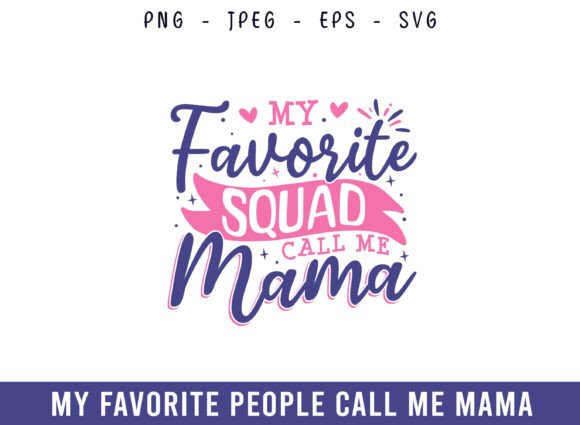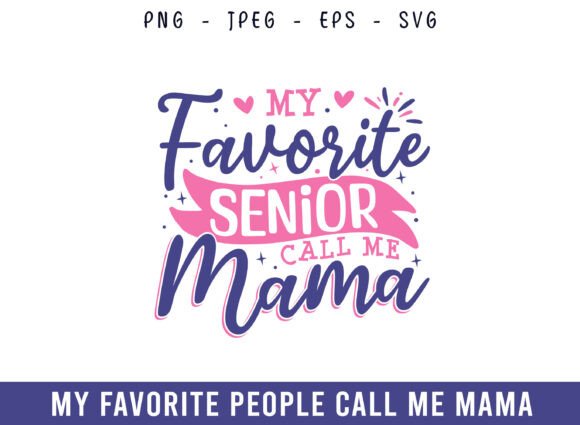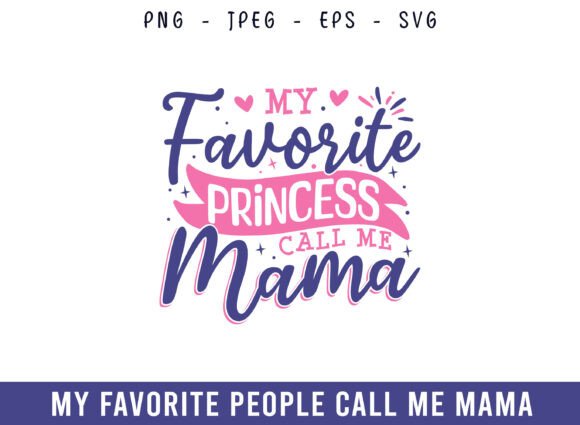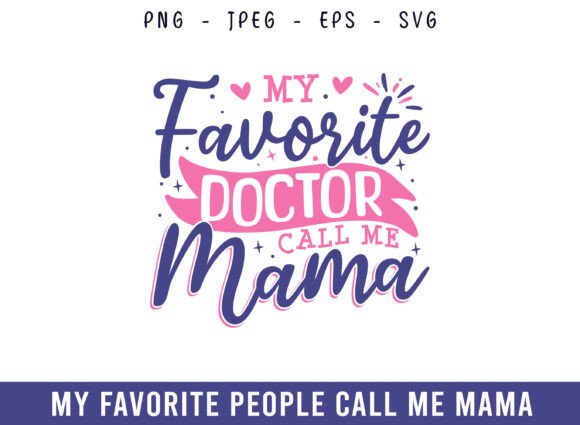
My Favorite Doctor Call Me Mama Design
As an experienced embroidery designer and product reviewer, I always approach a new design with a critical eye. When I first saw My Favorite Doctor Call Me Mama Design, it caught my attention not just for its sentiment but for the way it balances charm and clarity in a machine embroidery format. This is one of those designs that feels instantly familiar yet professionally crafted — the kind that could easily become a staple in both personal and commercial embroidery projects.
A Warm, Conversational Mood
The theme of “Doctor Call Me Mama” immediately evokes a sense of warmth and authority, blending motherhood with a touch of humor or pride. It's a clever twist on the classic “Call Me Mama” sentiment, tailored for someone who might be both nurturing and professional. The layout is straightforward, with bold text and a few supporting elements that give it personality without overwhelming the viewer.
What stands out is the detail level. Though it doesn’t include intricate illustrations, the use of 100 vector shapes ensures clean lines and easy customization. As a designer, I appreciate how this SVG file can adapt to different color schemes and fabric types, making it versatile for a range of applications from casual wear to promotional items.
Visual Personality and Project Fit
This design has a strong visual identity — it speaks to someone who values individuality and wants their handmade products or embroidered gifts to reflect that. Its re-sizable nature makes it ideal for larger formats like tote bags or smaller ones like patches or caps. I see it fitting particularly well into custom apparel, especially sweatshirts and t-shirts, where a heartfelt message paired with a unique twist can resonate with customers looking for something more than generic Mother’s Day graphics.
It also works beautifully for boutique branding or small shop products. Whether you're creating personalized baby clothes, holiday gifts, or even nursery decor, the phrase “Doctor Call Me Mama” adds a layer of sophistication and relevance that can elevate your offering from simple craft to meaningful keepsake.
Real-Life Embroidery Performance
I recently used My Favorite Doctor Call Me Mama Design in a custom sweatshirt project for a client who’s a nurse and a mother of two. The design was resized to fit across the chest area and stitched using a combination of satin stitch and fill stitch for the background. The result was clean, legible, and visually appealing. The text held up well under stitching, and the subtle design elements added just enough flair without competing with the main message.
For tote bag embroidery, the design translated seamlessly. The open layout allowed for good breathability in the stitches, which is important when working with cotton or canvas. On white fabric, the colors popped; on darker shades, the option to change thread color ensured visibility and contrast. This flexibility is a big plus for any Etsy seller or creative entrepreneur aiming to offer variations in their listings.
In a baby item context, such as an embroidered apron or pillow cover, the design could work with slight modifications. While the phrase itself may be more adult-oriented, the typography and structure are adaptable enough to pair with softer fonts or whimsical accents if needed. That said, I’d recommend using it as-is for gifts intended for moms-to-be or young professionals entering the medical field.
Where to Use It Carefully
While My Favorite Doctor Call Me Mama Design is a solid choice for many projects, there are some situations where extra consideration is needed:
- Small hoop sizes: The design’s width could require careful resizing to maintain readability and avoid distortion. If you're working within tight space constraints, test it at smaller scales before finalizing.
- Textured fabrics: Because of the design’s reliance on clear lines and defined shapes, it may lose some of its crispness on rougher materials like flannel or denim unless proper stabilizer is used.
- Stretchy or thin fabric: These materials can cause distortion or misregistration if the design isn't properly stabilized and hooped. Always do a trial run on similar material before production.
- Curved surfaces: Embroidering onto a cap or curved surface requires adjusting the design to follow the contour. The original layout is flat, so expect to tweak it for non-planar substrates.
- Dense stitch areas: If you plan to add additional decorative elements or layers around the design, be mindful of stitch density to prevent puckering or bulkiness.
Design Impact and Customer Appeal
One of the things I love about this design is how it enhances the visual appeal of a product while maintaining stitching clarity. The font is bold enough to read from a distance but still retains fine details in the lettering. It gives off a confident, handcrafted vibe that aligns well with the ethos of handmade shops and digital product sellers who want to create finished products with real personality.
From a business perspective, this design can significantly increase the perceived value of your offerings. It’s not just another Mother’s Day graphic; it’s a conversation starter. For Etsy sellers or crafters, this means higher engagement and potentially better sales performance. Customers will appreciate the thoughtfulness behind the message and the quality of the embroidery, which in turn builds customer trust and strengthens brand consistency.
If you’re considering using this in commercial embroidery, make sure to check licensing terms. But assuming it’s cleared for resale, it could serve as a valuable addition to your design assets. Whether you're printing mockups for digital previews or preparing physical samples for a craft fair, the design’s adaptability and emotional resonance will help it stand out.
Practical Designer Notes
- Test on scrap fabric first: Especially if you're planning to use it on dark or stretchy materials. See how the thread colors interact and whether the design holds its shape after stitching.
- Check thread color contrast: If you’re embroidering onto a black t-shirt or mug, consider using light-colored threads to ensure the message remains visible and impactful.
- Review stitch density: The design includes both satin and fill stitches. Be sure to adjust tension and density based on the fabric type to prevent puckering or loose stitches.
- Confirm hoop size: Since it’s made with multiple vector shapes, it may need a medium to large hoop depending on the scale you choose. Avoid forcing it into too small a space.
- Inspect small details: Even though it's not overly complex, look for tiny elements like serifs or flourishes that may require reinforcement or adjustment for durability.
- Use proper stabilizer: Backing or cutaway stabilizers can make a huge difference, especially on lightweight or stretchy fabrics.
- Test in black and white mockups: Before committing to specific thread colors, visualize the design in grayscale to ensure it reads clearly regardless of fabric color.
- Compare light and dark backgrounds: This helps determine whether the design needs color inversion or contrast adjustments for optimal visibility.
- Check compatibility with your machine: Although the design is scalable and uses common embroidery techniques, verify it works smoothly with your machine and software.
- Confirm licensing for commercial use: If you're selling finished items or digital files, double-check that the design allows for resale and mass production. Licensing clarity is key for avoiding legal issues down the line.
Final Thoughts
My Favorite Doctor Call Me Mama Design is a thoughtful, high-quality machine embroidery file that brings a fresh angle to traditional sentiments. It’s perfect for anyone in the crafts and graphics industry who wants to offer unique, emotionally resonant designs for Mother’s Day, holiday gifts, or everyday wear.
Its versatility makes it suitable for a wide array of embroidery projects, from soft goods like tea towels and pillow covers to harder items like mugs and patches. Just remember to tailor it to the fabric, hoop, and customer needs of each specific application.
As a designer, I’m always looking for pieces that feel authentic and functional — and this one delivers. With a bit of care and testing, it can become a go-to asset in your creative toolkit, helping you produce standout handmade products and build stronger connections with your audience.